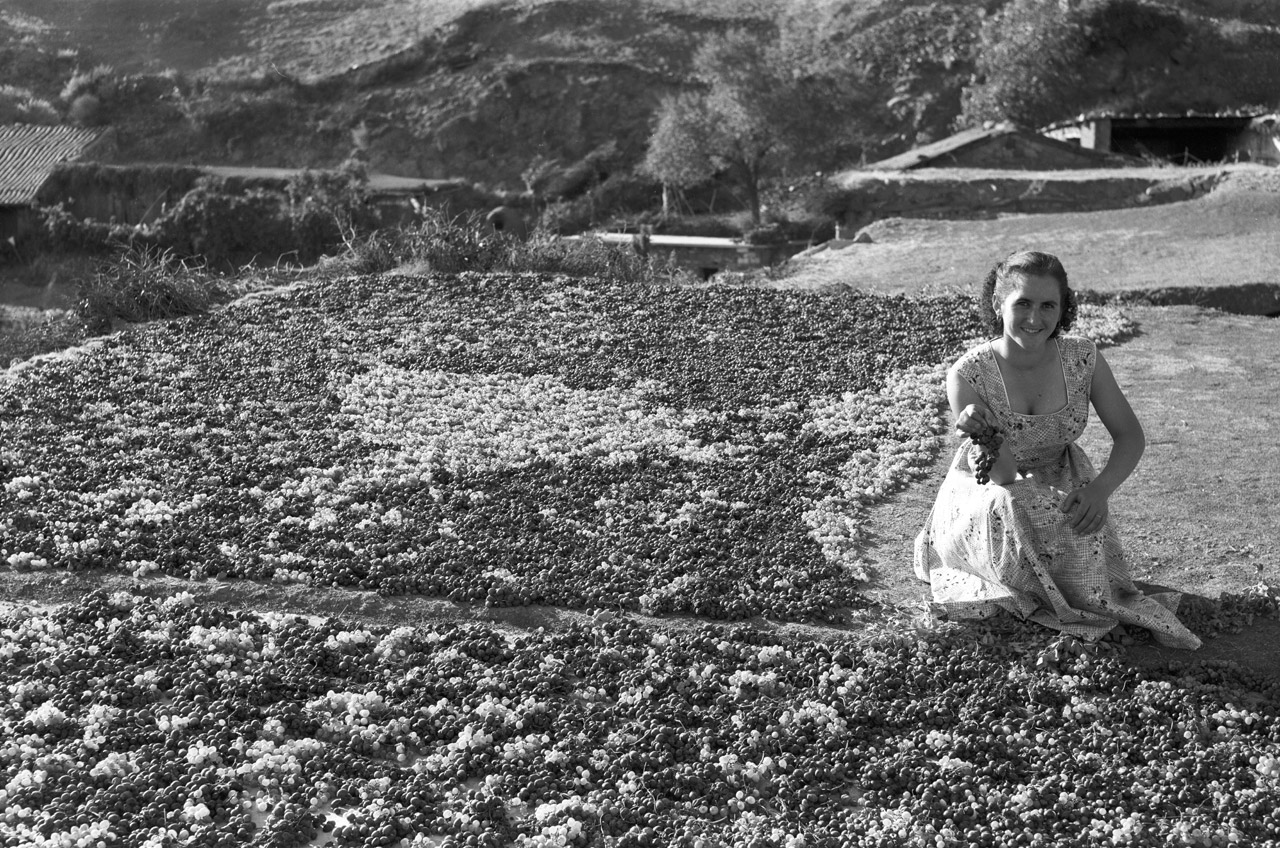
“Sun-drying grapes for Commandaria. Done the same way for generations, and still at the core of how the wine is made.”
What is Commandaria?
It depends who you ask.
The legal definition has only existed for a few decades, but the name itself goes back more than 800 years.
In everyday speech here, people say “I’m going to Commandaria” when they mean the vineyard, or “I’m from Commandaria” when they mean the region.
When it comes to wine, the consensus is simple: Commandaria is a sweet wine made from raisined grapes, grown and vinified inside the Commandaria region. Beyond that, the details shift depending on who you ask — and on which part of its long history you look at.
What’s certain is that Commandaria has never stood still.
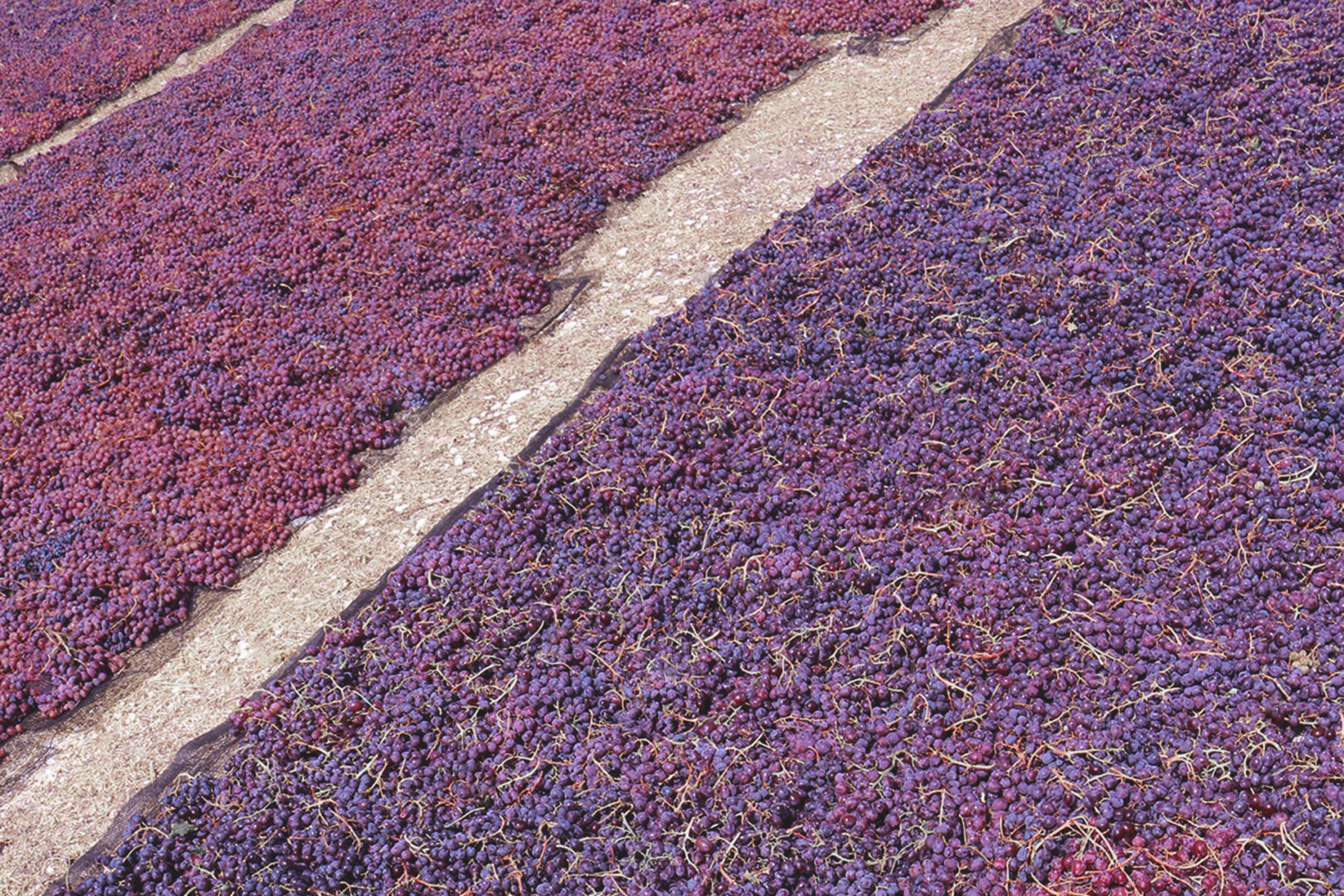
“Mavro grapes sun-drying for two weeks, concentrating sugars and changing their chemistry.”
Layers of History
Commandaria is not the product of one time or one people. It’s a style of wine that grew layer by layer, adapting to the cultures that passed through Cyprus.
From prehistoric times it was a natural evolution; raisins left in the sun, turned to sweet wine. By the Roman era it was already tied to ceremonies and festivities, a role it carried into Christianity.
The Templars gave the wine its modern name some 800+ years ago, the Venetians carried it abroad, the Ottomans expanded the vineyards, and the British scaled up production with modern industry.
Today the focus is shifting. Smaller wineries are emerging with lower volumes, stronger identity, and a renewed focus on heritage.
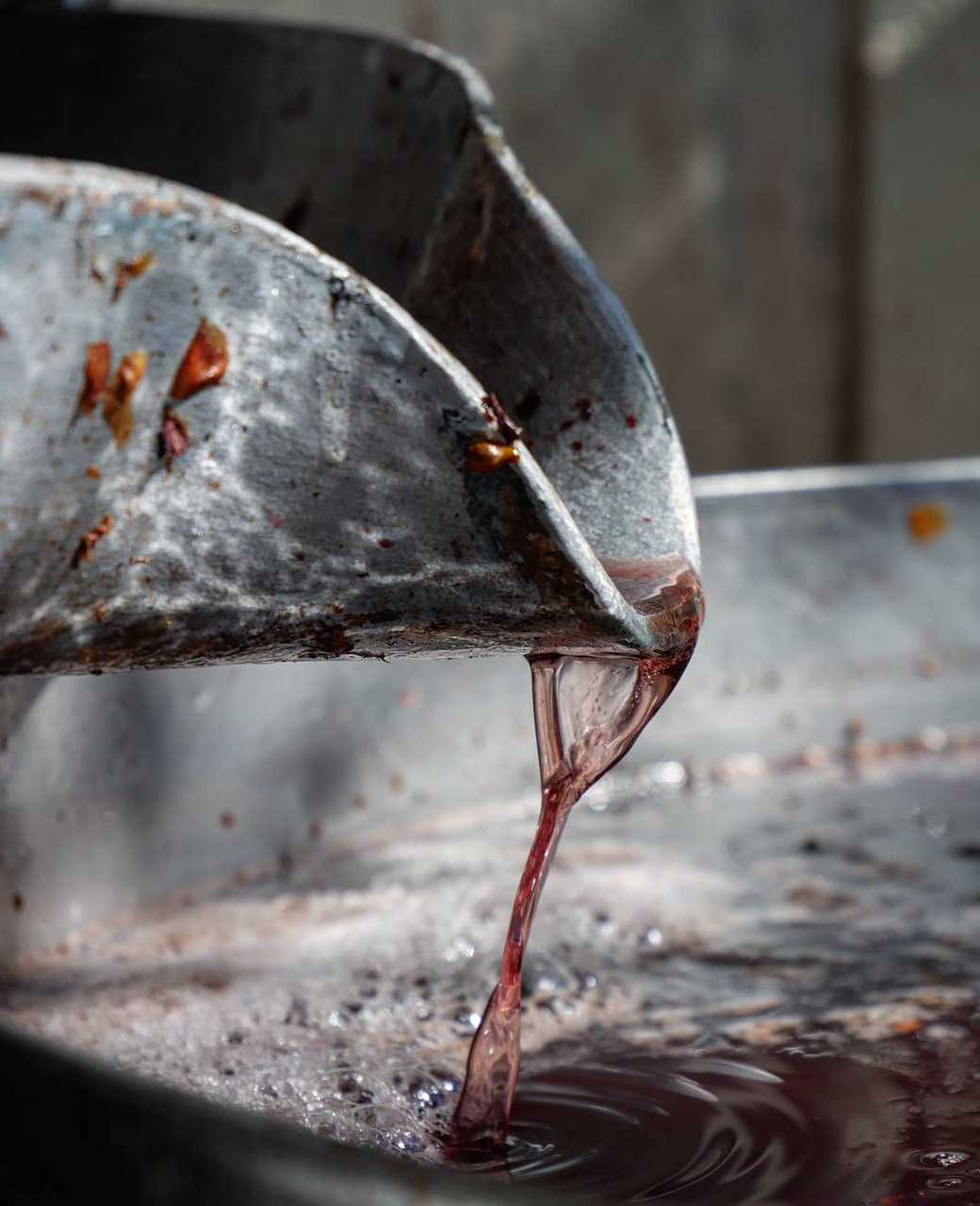
“Pressing yields barely half the juice of fresh grapes, already dense and deeply coloured.“
Making Commandaria Today
At Revecca Winery, Commandaria isn’t part of our work — it is our work.
Focusing only on this wine means looking closely at the process, step by step, and asking what each choice really means.
We look at the established methods under a contemporary lens. Why do we dry grapes the way we do? What difference does the vessel make during fermentation? How do blending decisions change the balance of the wine? These aren’t questions of tradition versus innovation, but of understanding cause and effect — of knowing why we do what we do.
Regulation gives a framework, but within it there is space to explore. That space is where we test, refine, and keep discovering what Commandaria can be.
For us, tradition is not something to repeat blindly. It is a foundation to study, interpret, and pass forward.
Heritage isn’t just the past — it’s what you hand on.
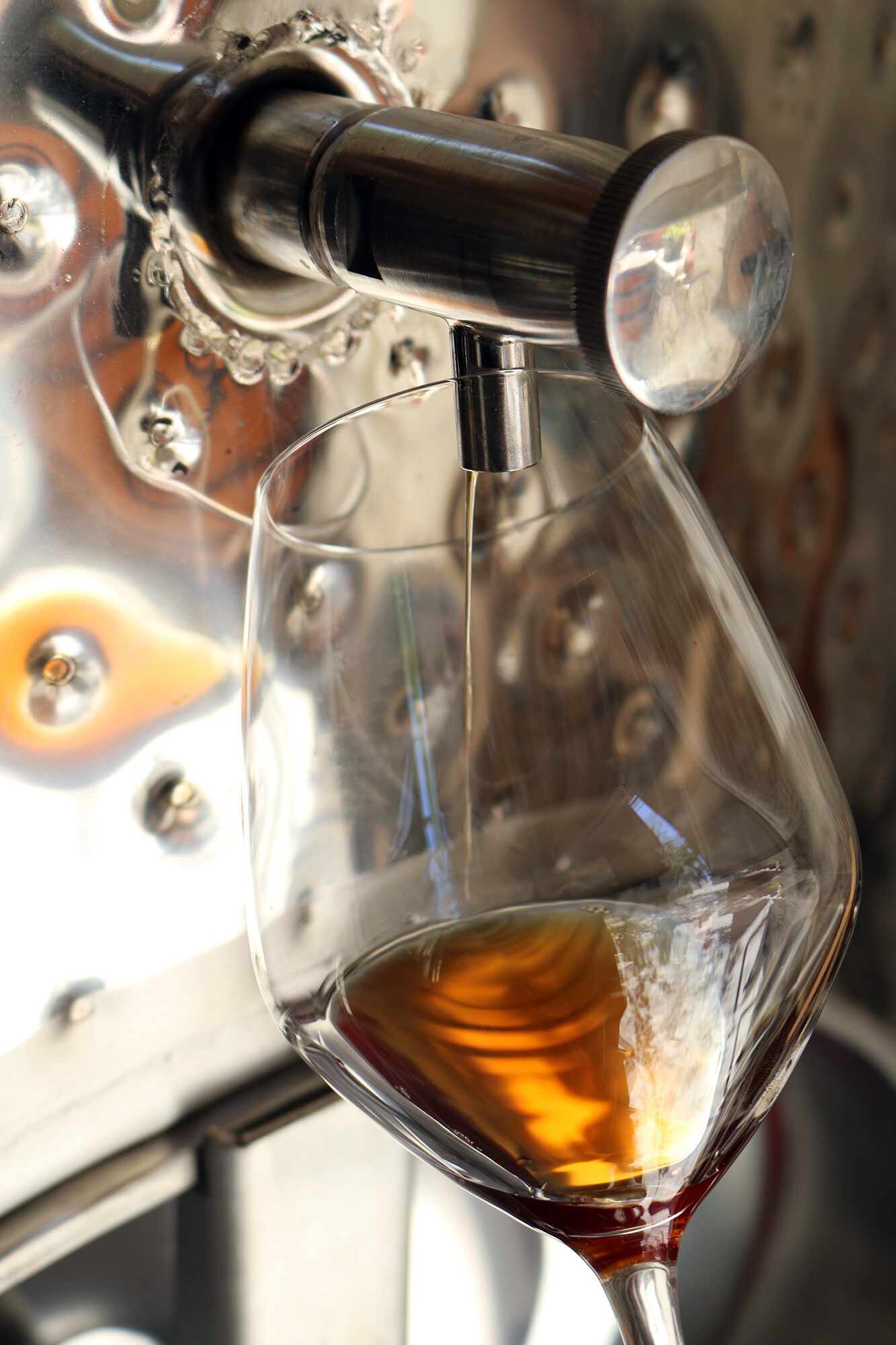
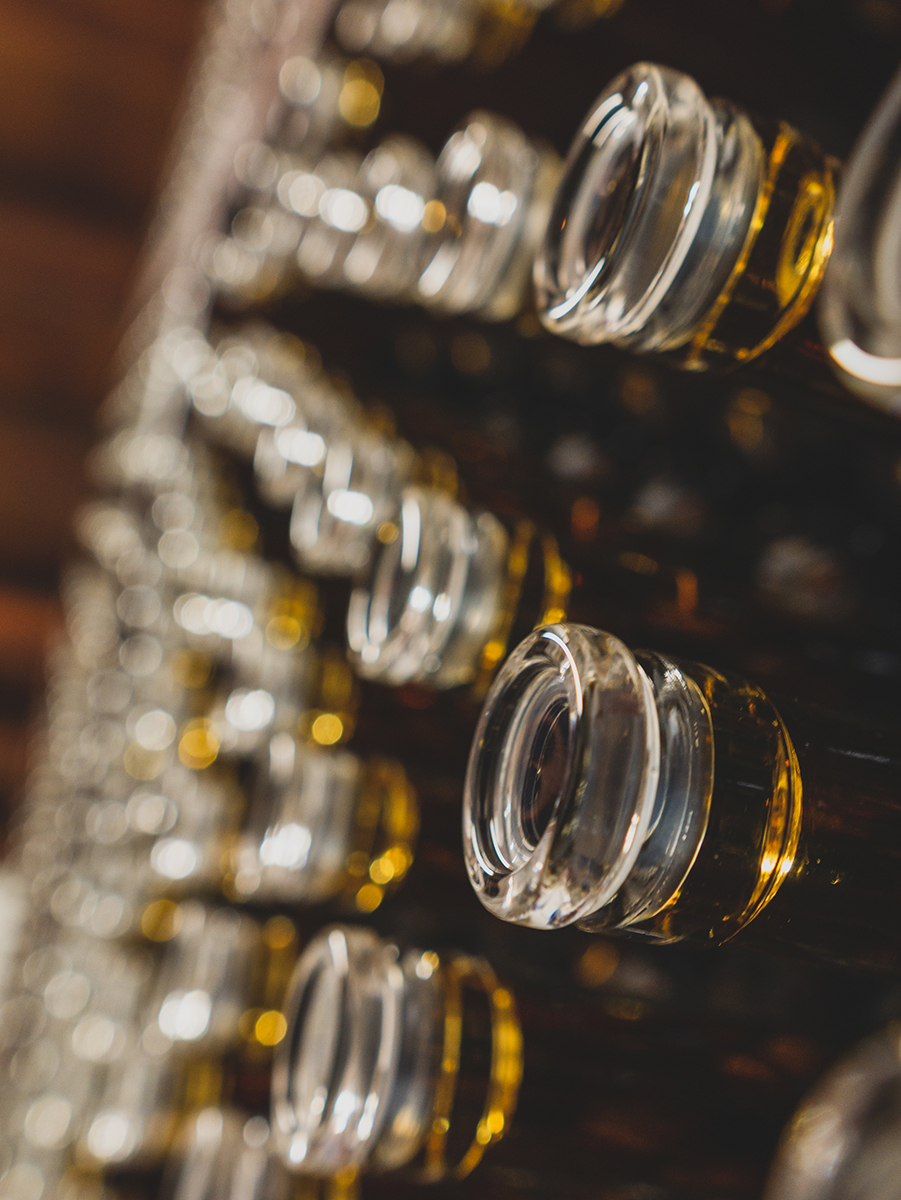
“After two years in oak, the wine shows balance, refinement, and depth.“
Revecca
Winery
Commandaria Winery | Agios Mamas
Commandaria, Lemesos, Cyprus